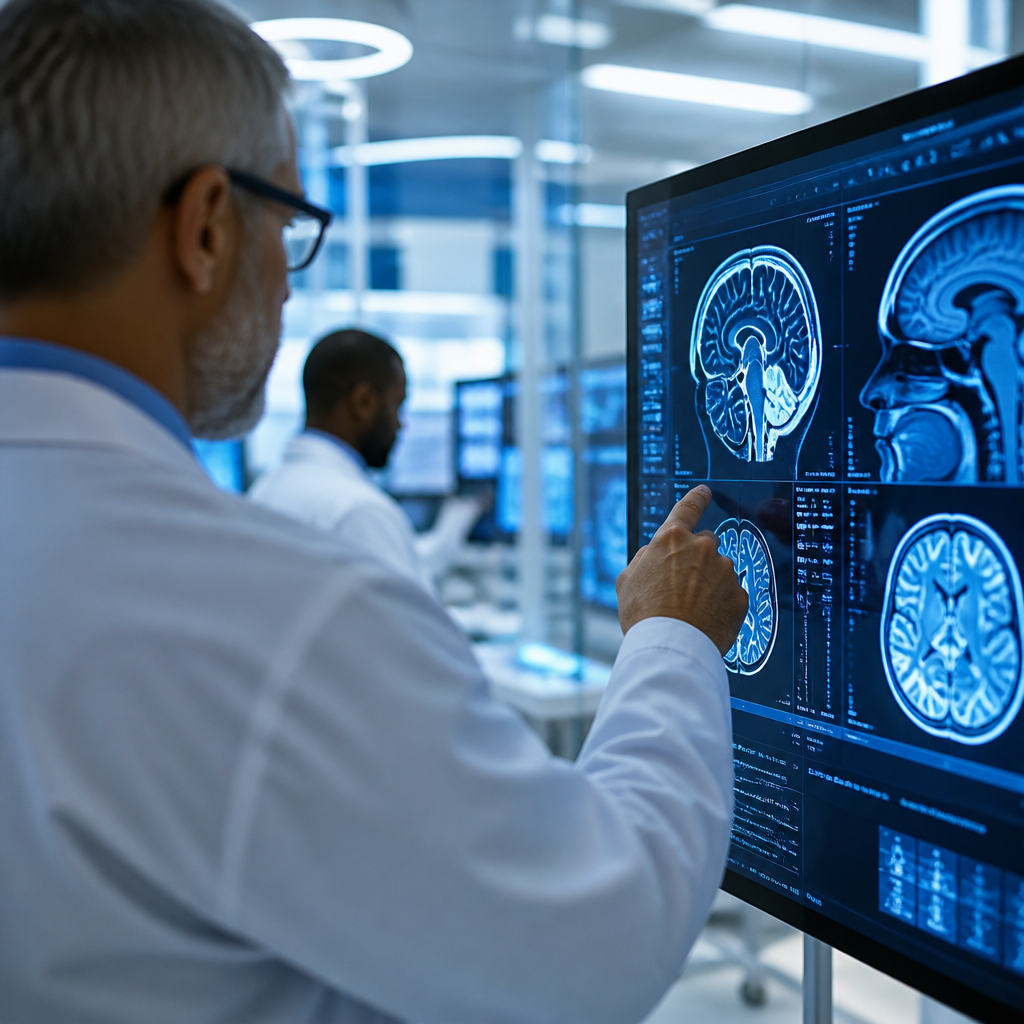

The healthcare landscape has undergone a remarkable transformation over the past decade, driven by technological innovation and an increasing emphasis on precision medicine. Medical institutions worldwide are reimagining patient care through sophisticated diagnostic systems, advanced treatment protocols, and integrated digital platforms that enhance both clinical outcomes and operational efficiency. This evolution represents more than incremental improvement—it signals a fundamental shift in how medical expertise combines with technological capability to deliver superior patient experiences and more accurate diagnoses across all specialties.
As healthcare systems adapt to meet growing patient expectations and complex medical challenges, the relationship between technology and clinical excellence has become increasingly interdependent. From artificial intelligence-powered diagnostic tools to robotic surgical systems, modern medicine leverages innovation at every touchpoint. Yet technology alone cannot ensure optimal outcomes. The human element—skilled physicians who interpret data, make nuanced clinical decisions, and provide compassionate care—remains irreplaceable. The most successful healthcare models recognize this balance, creating environments where technological advancement amplifies rather than replaces medical expertise.
The Digital Transformation of Medical Diagnostics
Contemporary diagnostic medicine bears little resemblance to practices from even two decades ago. Digital imaging has evolved from static X-rays to dynamic, three-dimensional visualizations that allow physicians to examine anatomical structures with unprecedented clarity. Laboratory systems now process thousands of tests daily with remarkable accuracy, generating comprehensive data profiles that inform treatment decisions within hours rather than days. Electronic health records enable seamless information sharing across departments and specialties, ensuring that every member of a patient’s care team has access to complete medical histories and current treatment plans.
These technological advances have particular significance in complex medical fields requiring precise measurements and detailed cellular analysis. Automated laboratory equipment can detect minute variations in blood composition, identify abnormal cell populations, and track disease markers with sensitivity that far exceeds manual methods. Such capabilities enable earlier disease detection, more targeted treatment approaches, and better monitoring of therapeutic responses. The integration of genomic testing has further expanded diagnostic possibilities, allowing physicians to identify genetic predispositions and select treatments based on individual patient profiles rather than generalized protocols.
See also: Home Improvement Center Solutions That Increase Property Value
Enterprise Technology Solutions in Healthcare Settings
Healthcare organizations increasingly recognize that clinical excellence depends not only on medical technology but also on robust enterprise systems that support operational efficiency and strategic decision-making. Emerging technologies are defining the future of enterprise success across industries, and healthcare proves no exception. Cloud-based platforms enable real-time data analytics, predictive modeling for patient flow management, and resource optimization that improves both financial performance and patient satisfaction. These systems integrate clinical, financial, and operational data, providing leadership teams with comprehensive insights that drive continuous improvement initiatives.
The adoption of enterprise resource planning systems in healthcare settings has streamlined administrative processes, reduced redundancies, and improved coordination between clinical and support departments. Automated scheduling systems optimize physician time while reducing patient wait times. Supply chain management platforms ensure that critical medications and equipment remain available without excessive inventory costs. Revenue cycle management tools improve billing accuracy and accelerate reimbursement processes. When properly implemented, these enterprise solutions allow clinical staff to focus on patient care rather than administrative burdens, ultimately enhancing the overall healthcare experience.
Surgical Innovation and Advanced Treatment Modalities
Robotic surgery represents one of the most visible manifestations of technological advancement in medicine. Systems like the da Vinci Surgical System have transformed procedures across multiple specialties, offering enhanced precision, smaller incisions, and faster recovery times compared to traditional open surgery. Healthcare organizations implementing these technologies often experience significant operational benefits alongside improved patient outcomes. Research into how da Vinci surgery drove revenue growth demonstrates that technological investment can generate substantial returns through increased case volume, enhanced reputation, and improved payer negotiations.
Minimally Invasive Approaches and Patient Recovery
Beyond robotic systems, minimally invasive techniques have revolutionized treatment across numerous medical specialties. Interventional radiology now handles conditions that previously required major surgery, using image-guided procedures to treat tumors, clear blockages, and repair damaged vessels through tiny incisions. Endoscopic approaches allow physicians to diagnose and treat gastrointestinal conditions without external incisions. These techniques reduce hospital stays, minimize complications, and accelerate return to normal activities, delivering value to both patients and healthcare systems through reduced resource utilization and improved quality metrics.
Specialized Care and Integrated Treatment Approaches
Modern healthcare increasingly relies on the integration of advanced diagnostic technologies with specialized medical expertise. Patients seeking comprehensive blood disorder treatment can now access world-class facilities where a skilled hematologist Abu Dhabi provides cutting-edge care backed by sophisticated laboratory systems and personalized treatment protocols that combine clinical excellence with technological precision. This integration proves particularly critical in complex medical fields where accurate diagnosis depends on both advanced testing capabilities and expert interpretation of nuanced clinical findings.
Specialized medical departments benefit enormously from technological integration. Molecular diagnostics identify specific disease characteristics that guide targeted therapy selection. Digital pathology enables remote expert consultation on challenging cases. Telemedicine platforms extend specialist expertise to underserved regions. These innovations democratize access to specialized care while maintaining the highest standards of medical practice. The result is a healthcare ecosystem where geographic location no longer limits access to expert medical opinion and state-of-the-art treatment options.
Cleveland Clinic Abu Dhabi’s Approach to Hematology Excellence
Leading healthcare institutions understand that technological capability must align with clinical expertise and patient-centered care models to achieve optimal outcomes. The hematology department exemplifies this integrated approach, combining comprehensive diagnostic capabilities with specialized treatment programs for blood disorders ranging from common anemias to complex malignancies. The department’s laboratory infrastructure supports advanced testing including flow cytometry, molecular diagnostics, and specialized coagulation studies that enable precise disease characterization.
Treatment protocols reflect the latest evidence-based guidelines while accommodating individual patient circumstances and preferences. Multidisciplinary tumor boards ensure that complex cases benefit from collective expertise across relevant specialties. Clinical research programs provide access to innovative therapies through structured trials. Patient education initiatives empower individuals to participate actively in treatment decisions and self-management strategies. This comprehensive approach recognizes that successful outcomes depend on addressing medical, psychological, and practical aspects of illness rather than focusing narrowly on disease pathology.
Quality Metrics and Continuous Improvement
Commitment to excellence requires systematic measurement and continuous quality improvement. Regular outcome tracking, patient satisfaction surveys, and benchmarking against international standards ensure that performance remains at the highest levels. When gaps emerge, structured improvement initiatives address root causes rather than symptoms. This culture of accountability and continuous learning distinguishes truly excellent healthcare institutions from those that merely maintain acceptable standards.
The Future of Integrated Healthcare Delivery
Looking forward, the convergence of medical technology and clinical expertise will only deepen. Artificial intelligence will augment diagnostic accuracy and treatment planning. Wearable devices will enable continuous health monitoring and early intervention. Precision medicine approaches will become standard rather than exceptional. Yet throughout these advances, the fundamental principles of compassionate, patient-centered care must remain paramount. Technology serves medicine best when it enhances rather than diminishes the human connections that define healing relationships. Healthcare institutions that successfully navigate this balance will lead the next generation of medical excellence, delivering outcomes that honor both scientific rigor and human dignity.
